

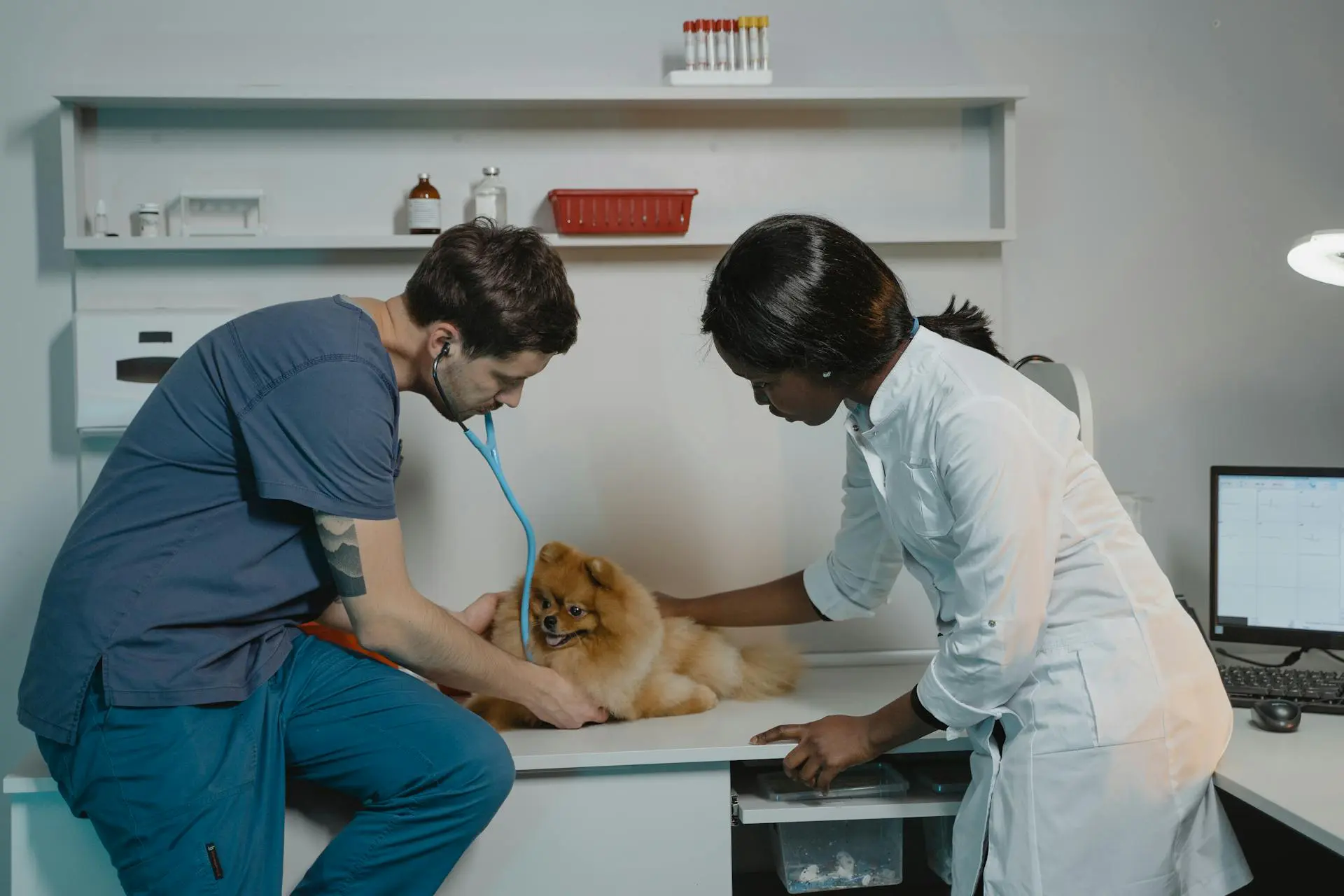
When creating an anesthesia plan, the veterinary team works to gather all of the “pieces of the puzzle” to design a protocol that is tailored to each individual pet and the procedure to be performed. One essential piece of this puzzle is pre-anesthetic blood work for pets. Because there are so many available tests, it can be confusing to understand why certain diagnostics may be recommended.
For veterinary professionals, these tests guide drug choices, fluid therapy, and monitoring decisions. Performing pre-anesthetic blood work may also allow for early detection of medical concerns that warrant further investigation or intervention before anesthesia, helping ensure each pet’s safety.
THE BASICS: PCV/TP, Glucose, Lactate
These diagnostics are often referred to as “bedside tests” because they can be performed within minutes in almost any clinic. Even when comprehensive panels are planned, bedside tests offer immediate insight into a patient’s health status. Together, PCV/TP help assess oxygen-carrying capacity, hydration status, and the need for IV fluids or further diagnostics before an anesthetic event.
- Packed Cell Volume (PCV) is a measurement of the percentage of red blood cells circulating throughout the body. Normal ranges exist and can vary slightly between species.
- Low PCV (Anemia): Could indicate anemia from chronic disease such as renal disease, bleeding, immune-mediated disease in which RBCs are destroyed or not made appropriately, or parasitism. An anemic patient may not carry oxygen effectively since oxygen molecules are transported by RBCs.
- High PCV (Erythrocytosis): Could simply indicate dehydration or splenic contraction secondary to excitation, stress or fear. More rarely, there are several disease processes, including endocrinopathies, infections, or neoplasia, that are associated with an elevated RBC mass. This can cause thick, concentrated blood that increases cardiovascular strain.
- Total Protein (TP) evaluates hydration and protein levels.
- Low TP: May reflect protein loss (gastrointestinal disease, kidney disease, liver insufficiency) or blood loss, reducing oncotic pressure and increasing risk for hypotension during anesthesia.
- High TP: May indicate dehydration or chronic inflammatory disease.
- Glucose: Low blood glucose (hypoglycemia) is a significant concern in toy breeds, neonates, diabetics, and sepsis patients. The body’s organs need glucose to fuel cellular metabolism. Hypoglycemia can result in seizures under anesthesia. Elevated blood glucose (hyperglycemia) may indicate stress, poorly controlled diabetes, or underlying endocrine disease. A negative sequela to this finding is osmotic diuresis, which can result in fluid loss and hypotension under anesthesia.
- Lactate: This is a parameter that reflects tissue perfusion and oxygenation. Elevated levels signal that tissues may not be getting adequate blood flow. Such a finding warrants stabilization before proceeding to anesthesia.
LOOKING CLOSER: The Complete Blood Count (CBC)
A CBC provides a more detailed look at the circulating blood cells. Additionally, a CBC helps uncover silent infections, inflammatory disease, anemia or clotting concerns. These are issues that may not appear in a physical exam alone.
- Red Blood Cells (RBCs): Confirms or characterizes anemia, dehydration, or diseases affecting oxygen transport.
- White Blood Cells (WBCs): Abnormal WBC counts can indicate infection, inflammation, stress, or immune-mediated conditions. Surgery may need to be delayed if a systemic illness is detected.
- Platelets: Adequate platelet numbers are essential for clot formation. Low platelets (thrombocytopenia) increase the risk of bleeding during and after surgery.
THE DETAILS: The Serum Chemistry Panel
The serum chemistry panel provides essential information on organ function and how the body will metabolize and clear anesthetic drugs.
- Kidney Values (BUN, Creatinine, SDMA): Poor kidney function affects fluid balance, drug clearance, and the body’s ability to handle anesthesia. Renal compromise is suspected when these values are elevated and may prompt further diagnostics or stabilization before proceeding.
- Liver Enzymes (ALT, AST, ALP, GGT) & Ancillary Values (Albumin, Bilirubin): The liver is central to drug metabolism. Elevated hepatic enzymes may influence aesthetic choice and pain management strategies. In cases where these values are severely elevated, anesthesia may be delayed in favor of pursuing higher-level diagnostics to evaluate hepatic function.
- Electrolytes (Sodium, Potassium, Calcium, Chloride): Even mild electrolyte abnormalities may raise a red flag before anesthesia. Various disease processes can result in electrolyte derangements and may serve as some of the first clinical signs of disease.
CLOTTING TESTS: PT, aPTT, BMBT, and Viscoelastic Testing
While not required for every patient, clotting tests help identify coagulation disorders that could lead to excessive bleeding during surgery. Specific breeds may be overrepresented or predisposed to clotting disorders. Unrecognized clotting abnormalities can turn routine procedures into life-threatening emergencies.
- Prothrombin Time (PT) & Activated Partial Thromboplastin Time (aPTT): These values represent appropriate activation of the two different arms of the coagulation cascade. Each arm contains essential clotting factors necessary for forming a blood clot. Some hospitals may have machines that can perform these tests rapidly in-house, but other locations may need to send the blood to a laboratory for evaluation. This means results can take several days to obtain.
- Abnormal PT/aPTT results may be the result of liver disease (reduced clotting factor production), rodenticide toxicity, congenital disorders, severe systemic illness or DIC (disseminated intravascular coagulation).
- Buccal Mucosal Bleeding Time (BMBT): This bedside test can be performed if a patient has increased risk factors for clotting abnormalities, but alternative tests are either not available or results from such tests will not be available before a planned surgery.
- Viscoelastic Testing (TEG/VCM): These instruments provide an advanced, real-time evaluation of clot formation, clot strength and clot breakdown. This diagnostic may be recommended for patients with advanced diseases to help guide treatment decisions.
What Pre-Anesthetic Blood Work for Pets Means for Pet Owners
Even healthy, young pets can have hidden abnormalities. Recommendations vary with regard to what your pet might require before anesthesia. Some hospitals have pre-determined standard protocols based on specific metrics such as patient age, breed and/or co-morbidities. It’s common for older patients to need more extensive evaluation before anesthesia. Pre-anesthetic blood work:
- Reduces the risk of anesthetic complications
- Identifies problems early, and potentially before any symptoms appear
- Helps veterinarians tailor anesthesia to the individual patient
- Provides peace of mind that no stone is being left unturned when getting to know your pet.
While opting out of blood work may seem like a cost-saving choice, the information gained is invaluable. In many cases, early detection changes a pet’s entire long-term health trajectory.
What This Means for Veterinary Professionals
Pre-anesthetic testing remains the cornerstone of safe anesthesia protocols. Whether you’re using quick bedside tests or comprehensive laboratory panels, the data you gather: • Guides drug choice (induction, maintenance, analgesia)
- Drives fluid therapy decisions
- Helps anticipate complications
- Supports client communication and trust
Even for low-risk procedures, blood work provides objective data that elevates patient care.
Takeaway
Pre-anesthetic blood work for pets isn’t just a box to check. It’s a critical safety tool. From a simple bedside PCV/TP performed the morning of an anesthetic event to complete blood counts, serum chemistry panels, and clotting tests, each piece of information helps veterinary teams prepare for anesthesia while keeping pet owners informed and confident in their pet’s care.
If your pet is scheduled for a procedure requiring anesthesia or you have questions about which tests may be recommended, contact us to discuss your pet’s individual needs and how pre-anesthetic blood work helps ensure the safest possible outcome.
Images used under creative commons license – commercial use (12/23/2025) Photo by Tima Miroshnichenko on Pexels