

For many pet owners, the thought of their furry family member going under anesthesia can be nerve-wracking. Whether it’s for a routine dental cleaning or for a complex surgery, questions and concerns arise. Is it safe? Will my pet be carefully monitored? What about pain control? The good news is that veterinary anesthesia today is safer, more advanced and more individualized than ever before!
In fact, many of the same techniques, drugs, and monitoring tools used in human medicine are now routinely utilized in veterinary medicine. Some veterinarians even choose to pursue years of specialized training beyond veterinary school to become board-certified specialists in veterinary anesthesia and analgesia. Fewer than 500 veterinarians bear the DACVAA credentials worldwide!
These experts play a key role in advancing safety standards, developing new pain management strategies, and training other veterinarians to provide gold standard care for patients. At My Vet Anesthesiologist™, our board-certified anesthesiologists work with your pet’s veterinary team to ensure top-tier care. Let’s take a closer look at how veterinary medicine is keeping pace with human medicine when it comes to anesthesia and pain management.
Customized Veterinary Anesthesia Protocols: One Size Does Not Fit All!
No two pets are exactly alike, and neither should their anesthetic plans be. Veterinary specialists develop individualized anesthesia protocols for each patient based on factors including age, breed, body condition, temperament, and underlying health conditions. Before any anesthetic event, your veterinarian will perform a thorough physical assessment and may recommend pre-anesthetic diagnostics such as blood work or x-rays. Each of these steps is important to help identify all concerns that could impact anesthesia safety and allow the veterinary anesthesiologist to tailor drug choices and doses accordingly.
Advanced Veterinary Anesthesia Monitoring: Keeping a Watchful Eye on Your Pet
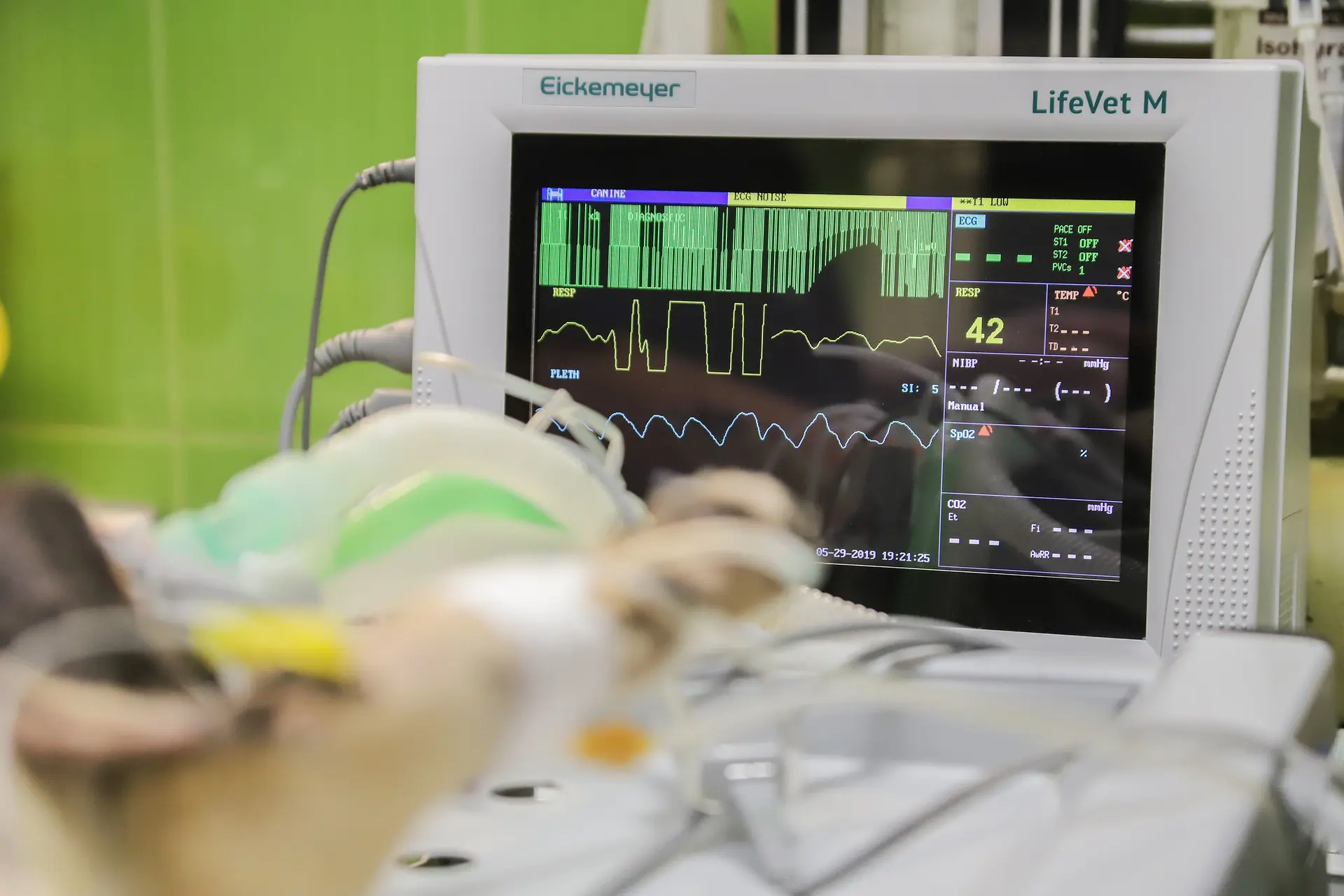
Today’s veterinary hospitals use sophisticated monitoring equipment mimicking that seen in a human operating room, which tracks heart rate, blood pressure, blood oxygen levels, carbon dioxide levels, body temperature and more!
When undergoing general anesthesia, your pet will have a breathing tube placed to secure their airway, precisely deliver oxygen and anesthetic gases and allow for the removal of carbon dioxide. A dedicated anesthetist is assigned to continuously monitor your pet’s vital parameters, oxygen and anesthetic gas delivery, and comfort during the procedure.
Additionally, My Vet Anesthesiologist™ puts “eyes in the sky” to enable a board-certified anesthesiologist to concurrently monitor your pet and further tailor treatment with the anesthetist from the case start to finish. This level of vigilance helps detect even subtle changes early, allowing for immediate adjustments to keep your pet safe.
Pain Management: Comfort at All Times
Advocating for our patients and ensuring a pain-free experience is a cornerstone of modern veterinary care. Animals cannot tell us where it hurts! Your pet’s care team has been trained to evaluate each patient using a series of unique assessments to detect subtleties, manage pain and even prevent it before it occurs. Such an approach allows for proactive, multimodal and compassionate care.
Prior to anesthesia, your pet will be administered medications that reduce anxiety, calm your pet and control pain early. During anesthesia, your pet’s comfort level will be constantly assessed and vital parameters maintained within safe and normal ranges. In the post-anesthetic period, your pet will continue to be evaluated to ensure a comfortable and calm recovery.
By addressing pain at every stage, veterinarians not only improve comfort but also promote more rapid healing and overall superior outcomes. Pets that are comfortable are more likely to eat, move around and return to their normal routines more quickly.
Peace of Mind for Pet Parents
It’s natural to feel nervous when your pet needs general anesthesia, but understanding the process can help ease those concerns. If your pet has an upcoming procedure that requires anesthesia, don’t hesitate to ask questions. Your veterinarian can walk you through the process.
Veterinary practices that consult with board-certified veterinary anesthesiologists take extra steps to ensure that your patient’s anesthetic event has a higher degree of monitoring and oversight to provide gold-standard care for your loved ones.
The advances in veterinary anesthesia have allowed us to parallel standards seen in human medicine in many ways. At the root of our passion is providing safe, compassionate and scientifically driven care for pets who we know are family.
Images used under creative commons license – commercial use (11/11/2025) Image by Mirko Sajkov from Pixabay