
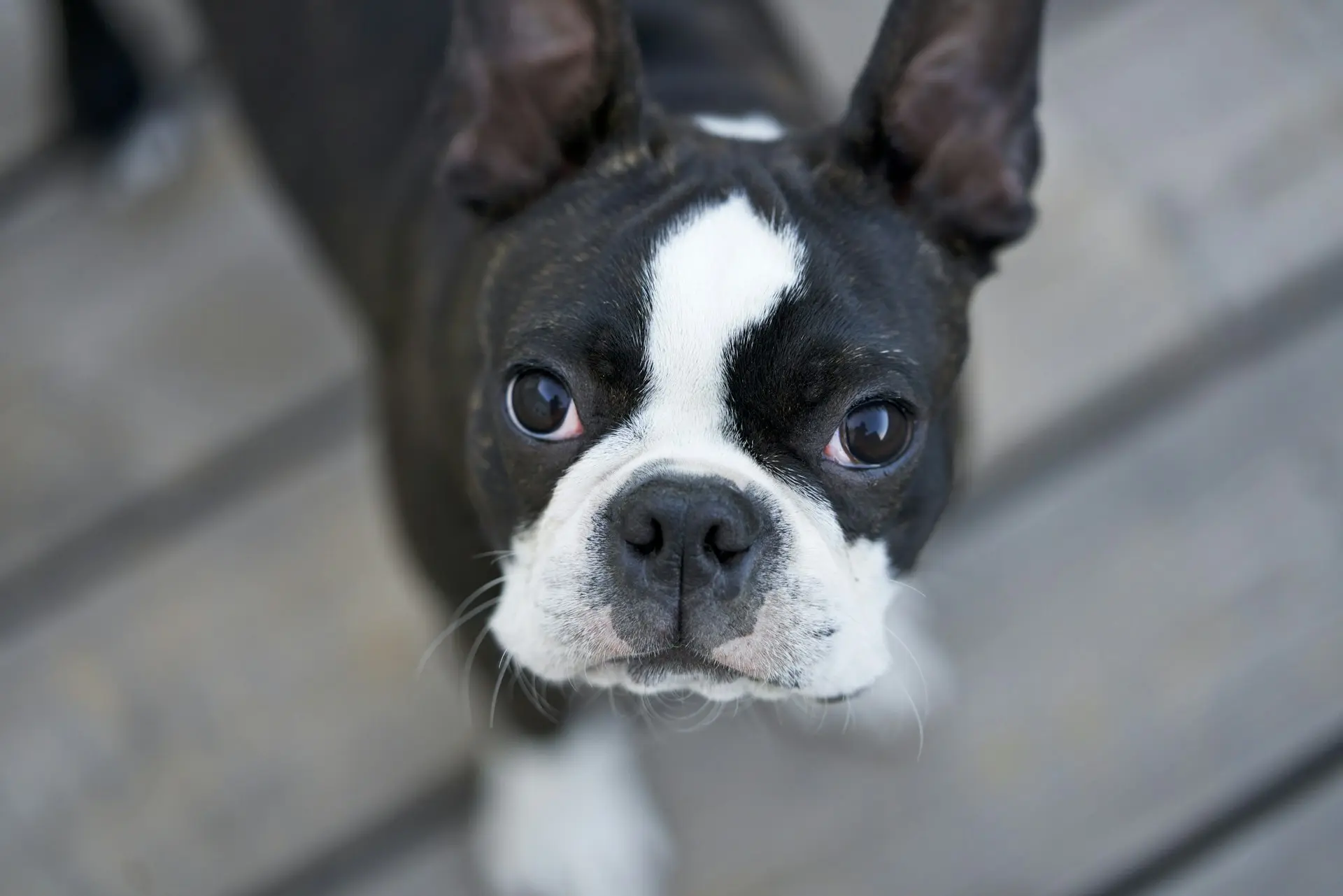
Brachycephalic dog breeds, including French Bulldogs, Pugs, and Boston Terriers, are among the most recognizable because of their endearing “smoosh-face”! Their shortened skull shape and characteristic facial features contribute to their charm. Unfortunately, these same features also create significant challenges for veterinarians, particularly when general anesthesia is required.
The use of general anesthesia in veterinary medicine has come a long way with advances in drugs, monitoring equipment and research findings which help shape how veterinary teams prepare for anesthesia. Large studies evaluating anesthetic outcomes in small animals report
relatively low mortality rates when anesthesia is conducted under appropriate veterinary supervision. However, brachycephalic dogs consistently demonstrate higher rates of peri-anesthetic complications compared with dogs with normal skull conformation.
The increased risk in brachycephalic dogs is largely related to structural abnormalities of the upper airway. These abnormalities can compromise ventilation, particularly during sedation, anesthesia, and recovery. For this reason, anesthesia in brachycephalic patients requires careful planning and a well-trained veterinary team.
Understanding the Brachycephalic Airway
The anesthetic challenges associated with brachycephalic dogs are usually related to a previous diagnosis known as brachycephalic obstructive airway syndrome (BOAS). This condition encompasses several anatomical abnormalities caused by selective breeding for shortened skulls.
Challenges often seen with BOAS include stenotic nares, an elongated soft palate, everted laryngeal saccules, and a hypoplastic (abnormally narrow) trachea. Over time, chronic airway obstruction may also lead to secondary laryngeal collapse. The reason these anatomical abnormalities matter so much is that they significantly increase airway resistance. Even when awake, brachycephalic dogs often generate strong negative pressure while breathing in order to move air through narrowed air passages. Almost everyone can think of a time they’ve heard a Frenchie coming before seeing the Frenchie. Have you ever tried breathing through a straw? It can be challenging, and with a big breath in, you may even see the straw collapse in! This increased effort needed to breathe can lead to progressive airway inflammation and swelling.
During anesthesia, the muscles that normally help maintain airway patency relax. In brachycephalic dogs, this loss of muscle tone can exacerbate obstruction and lead to partial or complete airway collapse. As a result, these patients are particularly vulnerable to hypoxemia, airway obstruction, and respiratory distress during anesthesia and recovery.
Retrospective studies have demonstrated that brachycephalic dogs experience significantly higher rates of postoperative respiratory complications than other breeds. One study evaluating
anesthetic events found postoperative complications in approximately 14% of brachycephalic dogs compared with less than 4% in non-brachycephalic dogs (McMillan et al., 2020). Notably, many of these complications occur during the recovery phase, when protective airway reflexes begin to return, but swelling and obstruction remain present.
Pre-Anesthetic Evaluation and Diagnostic Testing
Safe anesthesia begins long before anesthetic drugs are administered. A thorough pre-anesthetic evaluation allows the veterinary team to identify potential risk factors and develop an individualized anesthetic plan.
The physical examination should focus closely on the respiratory system. Veterinarians assess breathing effort, respiratory noise, exercise tolerance, and ask owners if there is a history of cyanosis (turning blue) or collapse. Dogs with severe airway obstruction may exhibit increased inspiratory effort even while resting. Body condition score (BCS) is also an important consideration. Obesity is common in brachycephalic breeds and can further compromise respiratory mechanics as overweight dogs have increased fat and often weaker muscles of respiration, which makes every breath more challenging.
Pre-anesthetic diagnostic testing helps identify concurrent diseases that could complicate anesthesia. A minimum database typically includes a complete blood count, serum biochemistry profile, and electrolyte analysis. We’ve highlighted the importance of pre-anesthetic blood work in a previous blog post that you can read here. These tests provide valuable information about organ function and systemic health.
Thoracic radiographs are often recommended for brachycephalic dogs, particularly those with moderate to severe respiratory signs. Imaging can give the veterinary team a better idea about tracheal size, if there is evidence of aspiration pneumonia, or other cardiopulmonary abnormalities that may influence anesthetic planning. Older dogs or patients with heart murmurs may benefit from echocardiography to evaluate cardiac function. Identifying cardiac disease before anesthesia allows clinicians to select drugs and monitoring strategies that minimize cardiovascular risk.
Veterinarians frequently use the American Society of Anesthesiologists (ASA) physical status classification system when assessing anesthetic risk. Healthy dogs undergoing elective procedures are typically categorized as ASA I. Brachycephalic dogs with clinically significant airway disease often fall into ASA II or III categories, reflecting a moderate increase in anesthetic risk. Although this classification system does not predict complications with certainty, higher ASA scores correlate with increased peri-anesthetic morbidity.
Drug Selection and Anesthetic Protocols
Drug selection is particularly important in brachycephalic patients because sedation can worsen airway obstruction. The primary goal of premedication is to reduce stress and anxiety, as some patients can get so worked up when at the veterinary hospital that they can induce a respiratory crisis without even being given any drugs. Many veterinarians are moving toward recommending the administration of oral anxiolytic drugs at home, prior to presentation to the hospital, to help lower stress.
Creating a drug protocol is a delicate balance between achieving the appropriate level of sedation without taking it too far. Sedatives such as dexmedetomidine or low-dose acepromazine may also be used at carefully selected doses. Opioids are commonly included in premedication protocols because they provide reliable analgesia and moderate sedation. However, opioids can cause nausea and vomiting, so dosing may be reduced or the opioid may even be administered after the dog is under anesthesia and the airway is secured.
Brachycephalic patients are commonly treated with a number of gastroprotectant drugs to prevent nausea and vomiting. Maropitant prevents nausea, and ondansetron is an anti-nausea medication. Some anesthesiologists also administer famotidine, pantoprazole and metoclopramide, which is a prokinetic drug that further contributes to the end goal of preventing vomiting/regurgitation.
Rapid induction followed by prompt intubation is a critical aspect of safe anesthesia in brachycephalic dogs. Induction agents such as propofol and alfaxalone are widely used because they produce rapid, smooth induction and allow titration to effect. These drugs are often combined with “co-induction” drugs like midazolam or ketamine to reduce the amount of induction agent needed to achieve intubation. This multi-modal approach is taken to preserve cardiorespiratory function during the critical induction period.
Essential Anesthesia Equipment
Preparation of appropriate anesthesia equipment is essential when managing brachycephalic patients. Because airway management is the primary concern, the veterinary team must be prepared to respond quickly to airway obstruction. Multiple sizes of endotracheal tubes should be available, because brachycephalic dogs often have smaller tracheal diameters than expected for their body size. A functioning laryngoscope with a bright light is necessary for visualization of the larynx during intubation.
Pre-oxygenation before induction is strongly recommended for brachycephalic patients. Providing supplemental oxygen for several minutes prior to induction increases oxygen reserves and helps delay the onset of hypoxemia if airway obstruction occurs during induction.
Suction equipment should be readily available to remove saliva or regurgitated material that may or may not be present in the oropharynx. It’s also important to inflate the cuff of the endotracheal tube before gently setting the head back down on the treatment table, as this provides further protection to the airway.
Modern anesthetic monitoring equipment is also essential for maintaining patient safety. Continuous monitoring of oxygen saturation (SpO2), end-tidal carbon dioxide (ETCO2), blood pressure, heart rate, and temperature allows early detection of physiologic abnormalities.
Intra-Anesthetic Management
Once anesthesia has been induced, the primary goal is to maintain adequate oxygenation and ventilation while supporting cardiovascular stability. Monitoring should be continuous throughout the procedure, as with any other patient. Pulse oximetry provides information about
oxygen saturation, while capnography allows clinicians to evaluate ventilation and airway patency in real time.
Blood pressure monitoring is particularly important because hypotension is one of the most common anesthetic complications in dogs. Maintaining adequate blood pressure helps ensure appropriate perfusion of vital organs.
In some cases, assisted or mechanical ventilation may be required to ensure that the patient is ventilating appropriately. As was discussed earlier, an overconditioned brachycephalic patient or a patient with endocrine disease that can cause wasting of the muscles of respiration (Cushing’s Disease) is going to have a harder time spontaneously ventilating. This is especially relevant during longer procedures or when high inhalant concentrations are required.
Recovery: The Highest Risk Period
For brachycephalic dogs, the recovery period is often the most critical stage of anesthesia. As anesthetic drugs wear off, airway reflexes gradually return, but swelling and anatomical obstruction may still be present.
Extubation should therefore be delayed until the patient is fully awake and capable of maintaining its airway. Many anesthesiologists recommend leaving the endotracheal tube in place until the dog is actively swallowing and demonstrating strong protective reflexes.
A calm recovery environment is essential! Stress and agitation increase oxygen demand and can exacerbate airway obstruction. Supplemental oxygen is frequently provided during the early recovery period. It’s important that the equipment necessary for reinduction and reintubation be taken to recovery in the event of a respiratory crisis following extubation. This means you’ll need propofol or alfaxalone, a laryngoscope and an endotracheal tube one-half size down from the endotracheal tube previously used.
In some cases, mild sedation may be used to reduce agitation and prevent respiratory distress. Dogs with severe airway disease may require prolonged monitoring or hospitalization following anesthesia.
The Role of a Board-Certified Veterinary Anesthesiologist
In complex or high-risk cases, the involvement of a board-certified veterinary anesthesiologist (DACVAA) can significantly improve patient safety. These specialists complete extensive advanced training in anesthetic pharmacology, airway management, mechanical ventilation, and perioperative monitoring.
Veterinary anesthesiologists frequently manage the most challenging cases, including patients with severe BOAS, significant cardiopulmonary disease, or a history of anesthetic complications. In addition to managing individual patients, anesthesiologists play an important role in improving anesthesia safety across veterinary hospitals. They develop anesthesia protocols, train veterinary staff, and ensure that appropriate monitoring equipment is available. For brachycephalic dogs with severe airway abnormalities, this level of expertise can be particularly valuable.
Conclusion
Brachycephalic dogs present unique anesthetic challenges due to structural airway abnormalities associated with brachycephalic obstructive airway syndrome (BOAS). These anatomical differences increase the risk of airway obstruction, hypoxemia, and postoperative respiratory complications.
However, advances in veterinary anesthesia and improved understanding of brachycephalic airway disease have greatly enhanced patient safety. Careful pre-anesthetic evaluation, thoughtful drug selection, appropriate monitoring, and distinct recovery management are essential components of successful anesthesia in these patients.
When these elements are combined with the expertise of trained veterinary professionals and, when possible, the involvement of a board-certified veterinary anesthesiologist, the vast majority of brachycephalic dogs can safely undergo anesthesia and recover without complication.
Additional Reading
• Ambros, B., & Duke-Novakovski, T. (2020). Perioperative management of brachycephalic dogs. Veterinary Clinics of North America: Small Animal Practice, 50(5), 1067–1083.
• Brodbelt, D., Blissitt, K., Hammond, R., et al. (2019). The risk of death: The Confidential Enquiry into Perioperative Small Animal Fatalities (CEPSAF). Veterinary Anaesthesia and Analgesia, 46(1), 1–9.
• Fawcett, A., Barrs, V., Awad, M., et al. (2019). Consequences and management of canine brachycephaly in veterinary practice. Animals, 9(1), 3.
• Fracka, K., et al. (2024). Risk factors for complicated perioperative recovery in dogs undergoing surgery for brachycephalic obstructive airway syndrome. Veterinary Surgery, 53, 646–655.
• McMillan, C., Brown, D. C., Rush, J. E., & Rozanski, E. A. (2020). Retrospective evaluation of anesthetic complications in brachycephalic versus non-brachycephalic dogs. Journal of the American Veterinary Medical Association, 256(2), 212–219.
• Packer, R. M. A., Hendricks, A., Tivers, M., & Burn, C. (2019). Impact of facial conformation on canine health. PLoS ONE, 14(10), e0219918.
• Pelligand, L., et al. (2022). Evidence-based recommendations for peri-anesthetic management of dogs with brachycephalic obstructive airway syndrome. Veterinary Anaesthesia and Analgesia, 49(4), 347–359.
• Ruple, A., Simpson, K., & Drobatz, K. (2020). Development of perioperative protocols to reduce complications in brachycephalic airway surgery patients. Veterinary Surgery, 49(3), 512–520. • Steagall, P. V. M., & Monteiro, B. P. (2023). Multimodal analgesia and anesthetic management in small animals. Journal of Small Animal Practice, 64(5), 243–255.
Photo by IgorTheGoodBoy on IG — Boston Terrier on Unsplash used with permission under the Creative Commons license for commercial use 03/19/2026