

Most people are surprised to learn how much veterinary anesthesia has changed. Years ago, the whole goal was pretty simple: keep the animal still long enough to get the procedure done. That was it. Now we know so much more about how pets feel pain, fear, and stress. Because of that, the way veterinarians approach anesthesia looks completely different from what it used to be.
Instead of relying on one drug to do all the work, vets now use a mix of medications that each play a different part. Some help with anxiety, some help with sedation, and others keep pain under control before it even has a chance to start. This combination is called multimodal anesthesia, and it usually means pets are safer and more comfortable throughout the whole process.
How Things Have Evolved
As research continued, we learned more about how different anesthetic drugs affect the heart, lungs, and other organs. And since many pets deal with health conditions as they age, picking the right medications has become incredibly important. It’s not just about getting through the procedure. It’s about keeping their whole system as stable as possible.
Why Having a Veterinary Anesthesiologist Helps
A board-certified veterinary anesthesiologist is someone who has spent years studying how anesthesia affects animals. Their job is to understand the medication choices, the risks, the monitoring equipment, and how to respond if something shifts during the procedure.
While your pet is under anesthesia, they keep a close eye on things like blood pressure, ECG readings, breathing patterns, temperature, CO₂ levels, and oxygen saturation. These numbers help catch small changes before they become real problems.
If your pet already has a medical issue, such as a heart murmur, kidney disease, or breathing trouble, this extra attention becomes even more important. These specialists are trained to handle high-risk cases and know how to make anesthesia safer for pets who need a little extra support.
Working as a Team
Before anything happens, the anesthesiologist goes through your pet’s medical information. That includes bloodwork, diagnostics, and whatever the primary veterinarian found during the physical exam. All of this helps them get a clear picture of what your pet needs.
From there, they design a customized plan. It’s not a one-size-fits-all thing. They choose specific medications for calming, induction, maintenance, and pain relief that suit your pet’s health and personality. They might also recommend steady medication infusions that they can adjust throughout the procedure to keep everything balanced.
Constant Monitoring and Quick Adjustments
Throughout the procedure, the anesthesiologist watches the monitoring equipment through a livestream and stays in contact with the veterinary technician assisting your pet. If anything starts to drift away from normal, adjustments are made right away.
Once the procedure is done, the technician and primary veterinarian continue to follow the anesthesiologist’s guidance. This helps your pet wake up smoothly and stay comfortable as they recover. Pain management and careful monitoring don’t stop when the procedure ends.
Putting Your Pet’s Safety First
Your pet deserves to feel safe and supported during anesthesia. That’s why working with a board-certified veterinary anesthesiologist can make such a big difference. Their training and constant oversight help create a smoother, safer experience from the beginning of the procedure all the way through recovery.
If you’re preparing for your pet’s upcoming procedure and want to know more, or if you’re a veterinarian looking for expert support, feel free to reach out. We’re always here to answer questions and help guide you through the process.
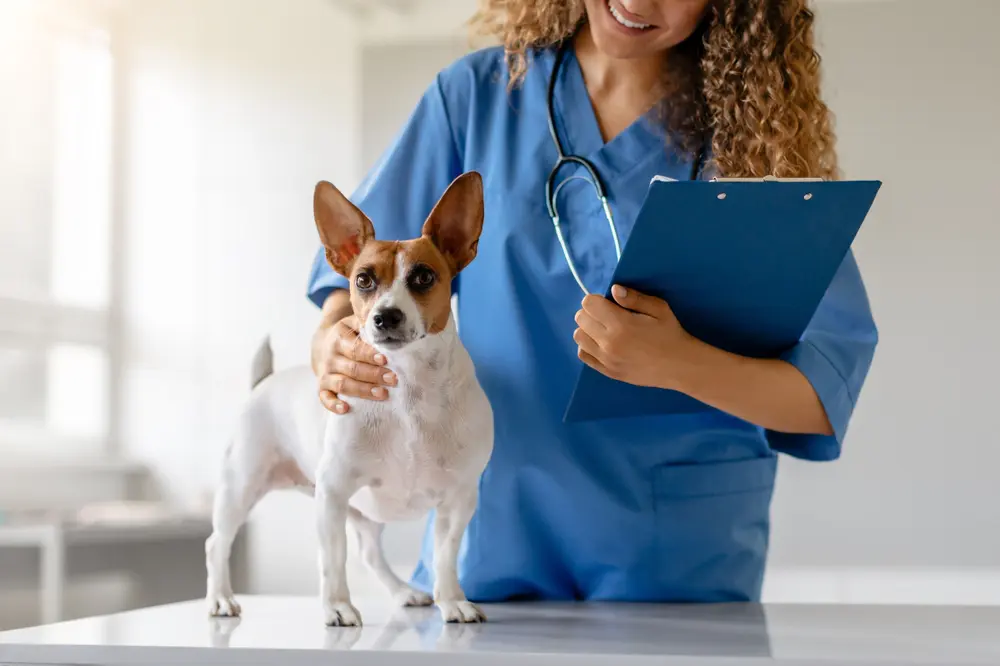
Photo by Prostock-studio from Shutterstock (October 15, 2025).